 kiruthika
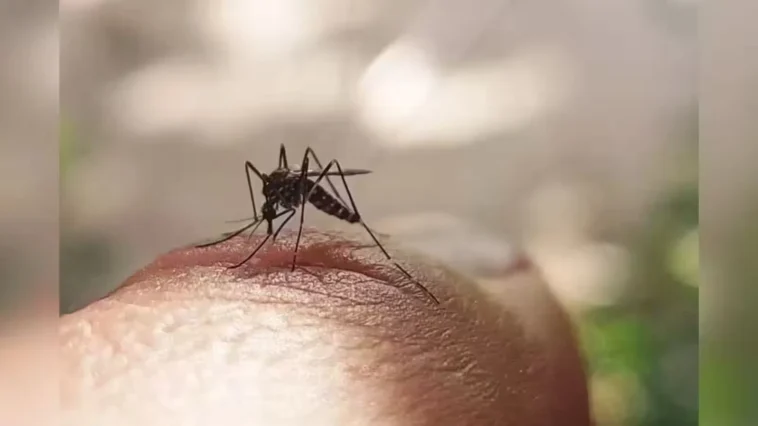
What happened
According to the Municipal Corporation of Delhi’s (MCD) latest weekly vector-borne disease report, the capital has logged 432 dengue cases so far in 2026, with 121 of those recorded in September alone — the highest monthly tally the city has seen this year. The MCD’s data, covering the period up to September 12, shows 71 fresh infections were reported in just the preceding week. The Press Trust of India (PTI) reported the figures on September 15, and they were subsequently carried by multiple outlets, including The Logical Indian. Malaria is also climbing: Delhi has recorded 183 cases this year, including 64 in September — also the city’s highest monthly malaria count in 2026, though officials note zero malaria deaths so far. Chikungunya cases, by contrast, remain comparatively low at 24 for the year, down from 46 in the same period last year.
Why it matters
Dengue is a mosquito-borne viral illness that can escalate from a manageable fever into a medical emergency if warning signs are missed, particularly in the days after the initial fever subsides. With three vector-borne diseases — dengue, malaria and chikungunya — circulating simultaneously in India’s most populous urban region during the tail end of the monsoon, hospitals and civic health systems face compounded pressure. For residents, the practical stakes are straightforward: knowing the difference between a routine viral fever and a warning sign that needs immediate medical attention can meaningfully affect outcomes.
Background and context
Delhi’s dengue trajectory has actually been comparatively milder than recent years when measured against the same point in the calendar: 432 cases this year compares with 619 in 2025, 709 in 2024 and 2,097 in 2023 for the corresponding period, per MCD figures. What’s notable is not the overall scale but the timing — September’s case count is the steepest monthly rise of 2026, arriving alongside continued monsoon rainfall that leaves behind pools of stagnant water where Aedes mosquitoes, the primary dengue vector, breed. Public health researchers have also flagged a broader shift: dengue transmission in India is increasingly less confined to the traditional monsoon-to-post-monsoon window, with some regions reporting cases well outside the historical season. This “flattening” of the seasonal curve is why health authorities are pushing surveillance and prevention efforts earlier and more consistently rather than concentrating them around peak monsoon months alone.
Key facts at a glance
- 432 dengue cases in Delhi in 2026 so far (as of September 12); 121 in September — the year’s highest monthly count
- 71 new dengue cases reported in the week ending September 12
- 183 malaria cases this year, including 64 in September; no malaria deaths reported
- 24 chikungunya cases this year, down from 46 over the same period in 2025
- Worst-hit zones: West Delhi (57 cases), followed by Central Delhi (54) and Shahdara North (50)
- Civic teams have inspected over 2.79 crore houses for mosquito breeding, finding larvae in roughly 1.47 lakh homes, and issued more than 1.10 lakh legal notices over breeding-prone conditions
What readers should actually do
Per WHO guidance cited in coverage of the MCD report, dengue symptoms typically include high fever, severe headache, pain behind the eyes, muscle and joint pain, nausea, vomiting and skin rash. The more serious phase can follow after the fever appears to break — warning signs that call for immediate medical attention include severe abdominal pain, persistent vomiting, rapid breathing, bleeding from the nose or gums, blood in vomit or stool, marked fatigue, restlessness, unusual thirst, or cold and pale skin.
There is no specific antiviral cure for dengue. WHO’s recommended approach is medical assessment, adequate fluids, rest, and paracetamol for fever if appropriate — aspirin and ibuprofen should be avoided, as they can raise bleeding risk. Anyone with a persistent or worsening fever, particularly in high-case areas of Delhi-NCR, should consult a doctor rather than self-manage with over-the-counter medication.
At the household level, the most effective preventive step remains eliminating standing water — emptying coolers, flowerpot trays, buckets, and covering water-storage containers — since this is where Aedes mosquitoes breed. Residents in high-transmission zones can also use repellents and support local civic mosquito-control drives. The overall guidance from health officials, including Delhi’s Health Minister, has been to raise awareness without generating panic, and to treat prevention as a shared responsibility across households, schools and resident welfare associations rather than something civic bodies alone can fix.



GIPHY App Key not set. Please check settings