 newskig
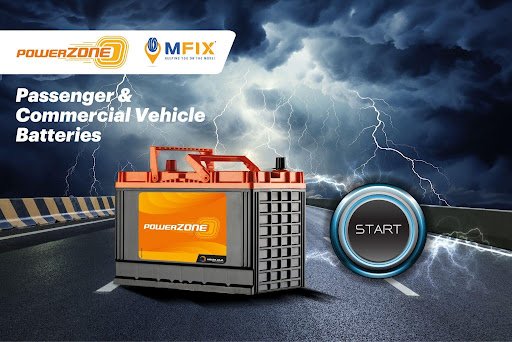
A reliable vehicle starts with a dependable battery. While many drivers focus on engine performance or tyre condition, the battery quietly powers every journey from the moment the ignition is turned on. When it begins to lose efficiency, even a well-maintained vehicle can become unreliable. That is why many motorists planning to buy car batteries take time to understand what separates a good battery from one that truly delivers long-term value.
Choosing the right battery is not simply about replacing an old one. It is about selecting a product that matches your vehicle, driving habits, and local conditions.
Battery Quality Shapes Daily Performance
Every vehicle relies on its battery to supply power for starting the engine and supporting electrical systems. Modern cars also depend on batteries for infotainment units, lighting, climate controls, sensors, and safety features.
A high-quality battery delivers consistent power throughout these daily operations. It also recovers efficiently after every engine start, helping maintain reliable performance over thousands of driving cycles.
Drivers who choose dependable batteries often experience fewer starting problems and greater confidence during everyday travel.
Capacity Should Match Vehicle Needs
Not every battery is suitable for every vehicle. Engine size, electrical equipment, and manufacturer specifications all influence the type of battery required.
Installing a battery with insufficient capacity may lead to inconsistent performance and additional strain on the electrical system. On the other hand, choosing a battery that properly matches the vehicle’s requirements helps ensure dependable operation.
Many drivers researching the best car battery brand also compare specifications such as reserve capacity, cold cranking performance, and warranty coverage before making a decision. Choosing the correct battery supports efficient vehicle operation while reducing the likelihood of premature replacement.
Driving Habits Affect Battery Life
Daily driving routines have a direct impact on battery performance. Vehicles driven primarily on short trips may not allow enough time for the charging system to fully restore battery capacity after each engine start. Frequent stop-and-go driving can also place additional demands on the battery.
Longer journeys generally provide more consistent charging opportunities, helping maintain battery health over time.
Drivers who understand how their driving habits affect battery performance can plan maintenance and replacement more effectively.
Routine Checks Prevent Unexpected Failures
Battery performance gradually changes over time. Regular inspections allow technicians to evaluate battery health before noticeable problems develop.
Testing can identify declining capacity, charging issues, or electrical faults that may eventually affect vehicle reliability.
Scheduling periodic battery checks provides drivers with valuable information while reducing the risk of sudden breakdowns. Preventive maintenance often proves far more convenient than emergency replacement.
Conclusion
Choosing the right battery involves more than replacing a worn component. Battery quality, compatibility, driving habits, environmental conditions, and professional installation all contribute to long-term vehicle reliability. By making informed decisions and replacing aging batteries before failure occurs, drivers can enjoy greater confidence every time they start their vehicles. Drivers planning to buy car batteries should also consider warranty, compatibility, and long-term performance to make a reliable investment. For motorists seeking dependable battery solutions and professional automotive support, MFIX Automotive Services LLC offers reliable services designed to keep vehicles powered and ready for every journey.



GIPHY App Key not set. Please check settings